EMDR Therapy
Healing beyond talk therapy.
EMDR therapy helps process distressing experiences that may feel stuck in the nervous system, so they can become less emotionally activating, overwhelming, or consuming.
This work is especially supportive for clients navigating trauma, anxiety, OCD, panic, self-doubt, perfectionism, chronic stress, relationship wounds, and feeling emotionally stuck despite insight and self-awareness.

What is EMDR?
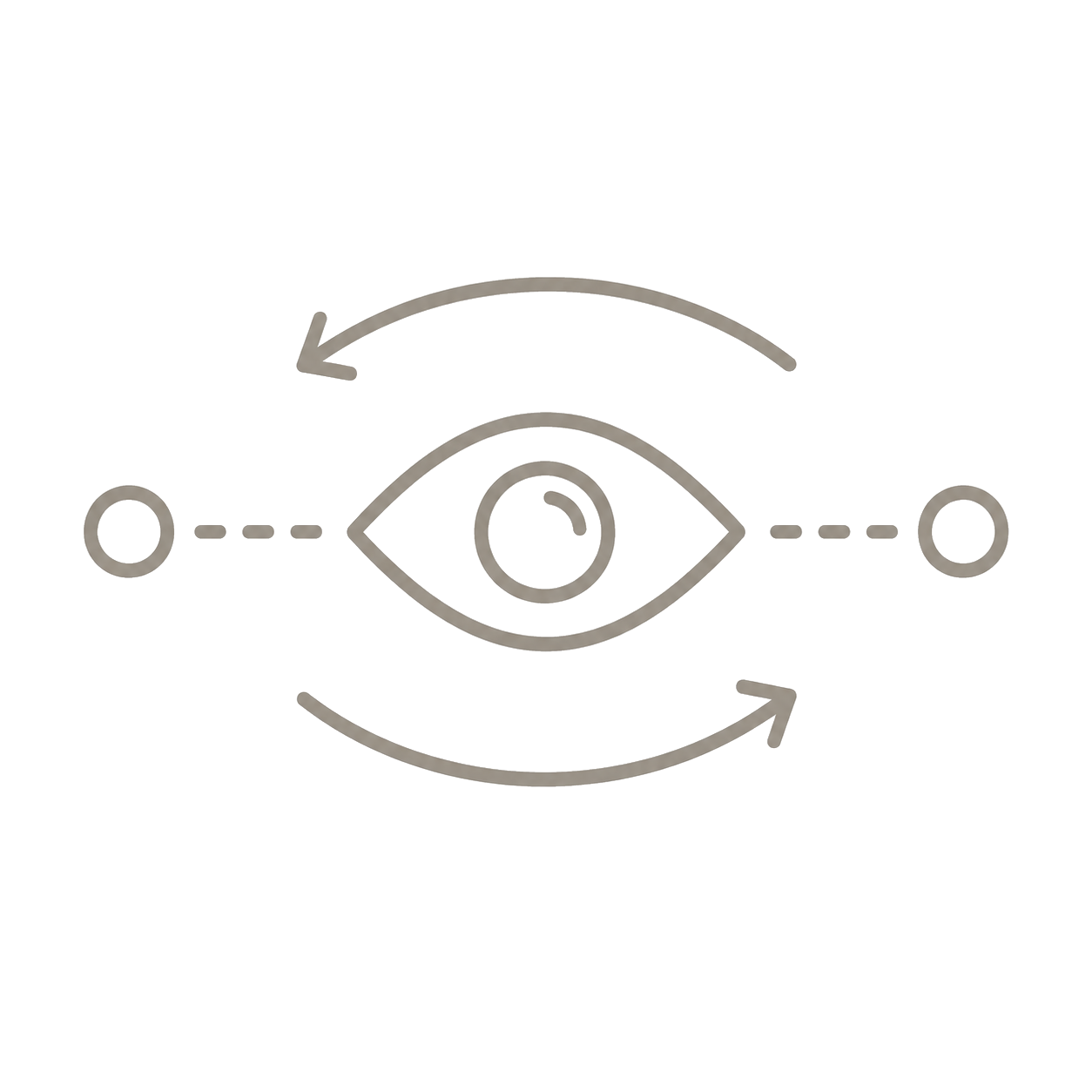
EMDR stands for Eye Movement Desensitization and Reprocessing. It is an evidence-based therapy designed to help the brain process distressing experiences that may feel “stuck” within the nervous system.
During EMDR sessions, clients use guided eye movements while processing thoughts, emotions, memories, and physical sensations connected to difficult or painful experiences. Over time, many people notice those experiences begin to feel less emotionally intense or consuming.
When insight alone has not been enough.
Many people come to EMDR after already doing meaningful self-reflection. They may understand why they feel anxious, guarded, overwhelmed, or stuck — but still feel unable to create deeper emotional shifts.
EMDR can help access and process experiences in a way that goes beyond insight alone.


Process What Feels Stuck
EMDR helps target painful experiences, beliefs, emotions, and body sensations that may still feel active in the present.

Support Nervous System Change
The work focuses on helping distressing material become less activating and easier to hold.

Move Toward More Freedom
The goal is not to erase the past, but to help the past feel less consuming in daily life.

EMDR may be helpful for people navigating…
Trauma or PTSD
Anxiety
Panic
OCD
Self-doubt
Perfectionism
Chronic stress
Relationship wounds
Emotional overwhelm
Feeling stuck despite insight
Painful memories or experiences
Nervous system dysregulation

Virtual EMDR Therapy
EMDR from the comfort of your own space.
All EMDR sessions are facilitated virtually using a specialized online platform designed to support the nuances of virtual EMDR work.
Many clients find virtual EMDR grounding, accessible, and comfortable because they are able to do the work from their own environment.
The Process
What working together looks like
Healing unfolds in stages. Each phase builds on the one before, moving at a rhythm that respects where you are.
We begin with your story and goals
We explore what brings you to therapy, what feels stuck, and what you are hoping will feel different.
We build safety and regulation
Before deeper processing begins, we focus on grounding, stabilization, and tools that help your nervous system feel supported.
We identify what needs processing
Together, we clarify memories, beliefs, emotions, body sensations, or patterns that may be connected to the distress.
We process at a pace that fits you
Using guided eye movements and a specialized virtual platform, the work is approached carefully based on your needs and readiness.
We integrate the change
The goal is to help painful experiences feel less overwhelming and support more self-trust, clarity, and emotional steadiness.
EMDR is not about rushing into painful memories.
Before any trauma processing begins, there is time devoted to preparation, safety, emotional regulation, and trust.
Some clients may begin processing within several sessions, while others may need weeks or months before that work feels appropriate.
My approach to EMDR is thoughtful, collaborative, and carefully paced based on each person's individual needs and readiness.
Trained in EMDR and committed to thoughtful care.
I am trained in EMDR through EMDR International Association, the leading professional organization dedicated to maintaining high standards of EMDR training and ethical practice.
I also continue to participate in ongoing consultation with skilled EMDR consultants to strengthen and deepen the work I provide to clients.
EMDR often supports deeper work around…
Trauma & PTSD
Processing painful experiences and emotional responses that may still feel active in the present.
High-Functioning Anxiety
Supporting clients who feel externally capable but internally overwhelmed, anxious, or disconnected.
Perfectionism & Self-Doubt
Exploring the beliefs, patterns, and experiences that may keep you feeling not enough.

Curious whether EMDR therapy is right for you?
A free 15-minute consultation gives us a chance to briefly connect, discuss what you are looking for, and determine whether EMDR or another therapy approach may be the best fit.
Please do not include sensitive personal, medical, or crisis-related information in the consultation form.